For years, the audiophile world has held a somewhat rigid belief: truly exceptional sound demands physical volume. Ultra-thin profiles and serious audio performance were often seen as mutually exclusive, a battle where physics always seemed to win. But what if I told you that a new contender has not only entered the ring but is actively rewriting the rules? The Opus 2M2 soundbar isn't just another sleek speaker; it's a testament to how cutting-edge engineering, advanced digital signal processing, and a no-compromise approach to materials can converge to create something genuinely revolutionary. I've spent some quality time with this powerhouse, and it's clear Opus is challenging the status quo, delivering a monumental auditory experience from an impossibly svelte package.
What Is the Opus 2M2 Soundbar?
The Opus 2M2 is a premium, high-performance soundbar meticulously engineered to deliver an audiophile-grade audio experience without the visual bulk often associated with high-fidelity systems. Opus, a brand known for pushing the boundaries of audio innovation, designed the 2M2 to be a centerpiece of modern home entertainment, seamlessly blending into any sophisticated living space while providing breathtaking sound. It's not just a speaker; it’s a highly integrated audio system that aims to replace multi-component setups for those who prioritize both aesthetics and uncompromising sonic quality.
This isn't your average soundbar. The Opus 2M2 is built from the ground up to defy expectations, leveraging proprietary technologies and top-tier components to achieve its ambitious goals. It’s for the discerning listener who demands deep, articulate bass, crystal-clear dialogue, and an expansive soundstage from a single, elegant unit, proving that convenience and high-end performance can indeed coexist beautifully.
Key Features & Specifications
- Total System Power: 1000W Peak Power
- Processor: Quad-Core ARM Cortex-A53 1.25GHz
- Audio Resolution: 24-bit / 96kHz High-Resolution DAC
- Internal Memory: 1GB DDR3-800 RAM
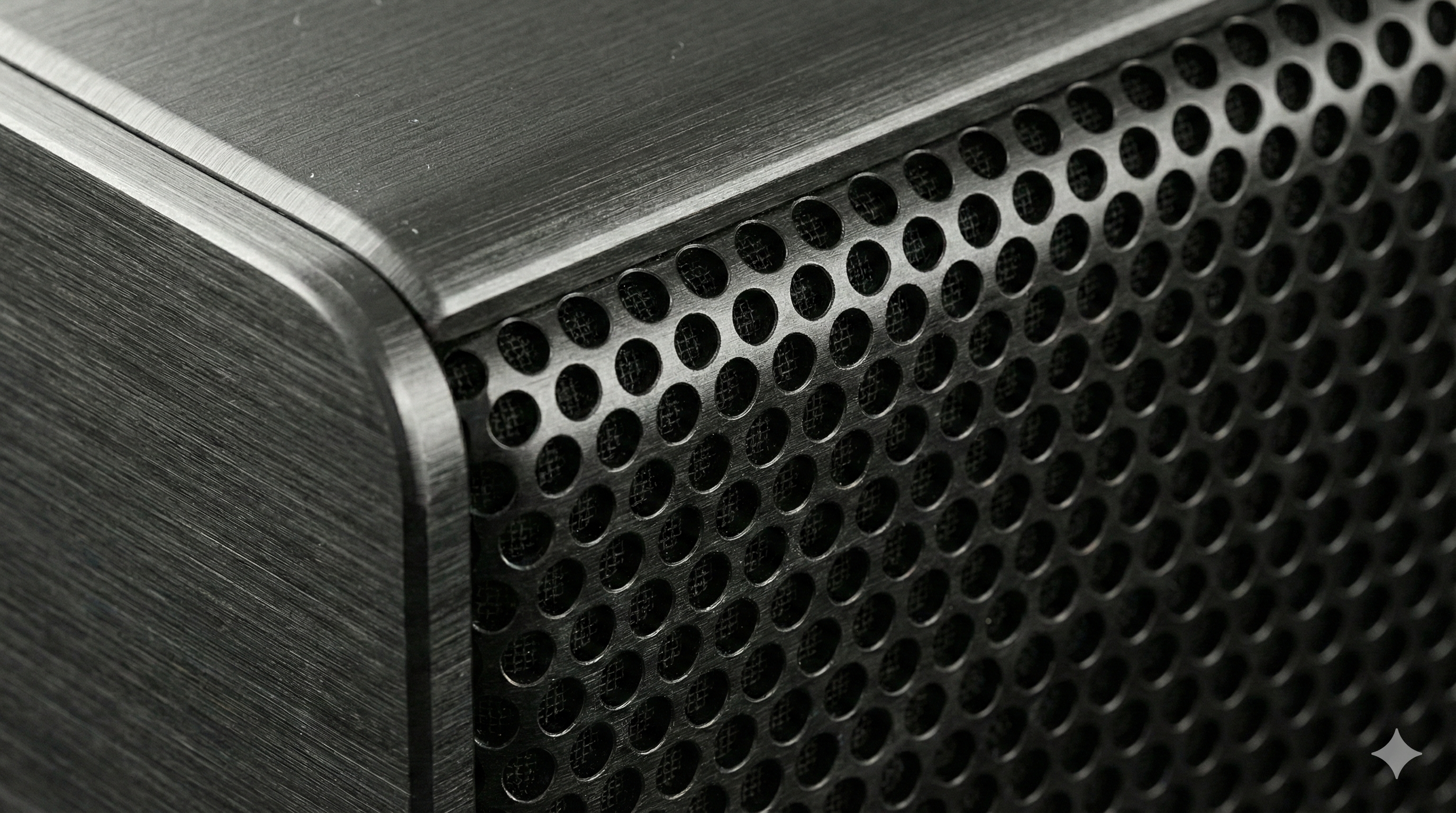
- Chassis Material: Single-Piece High-Grade Aluminum
- Driver Array: 17 Neodymium Drivers (9x Full-Range, 8x Long-Throw Subwoofers)
- Connectivity: HDMI eARC, Optical, Bluetooth 5.2, Wi-Fi (for streaming & updates)
- Dimensions (Approx.): 48" W x 2.5" H x 5" D (Ultra-Thin Profile)
- Standby Power: 0.5W (Eco-Friendly Mode)
Real-World Performance
Having spent considerable time with the Opus 2M2, I can confidently say that its real-world performance is nothing short of astonishing, especially considering its slender profile. My living room transformed into a dynamic audio environment, proving that this soundbar is far more than just a pretty face. When watching movies, the 2M2 truly shines. Dialogue, often a weak point for lesser soundbars, was consistently clear and anchored to the screen, even amidst chaotic action sequences. Explosions delivered a visceral, chest-thumping impact, thanks to those internal long-throw subwoofers, creating a surprising level of immersion without an external box. The soundstage felt remarkably wide, extending beyond the physical boundaries of the unit itself, pulling me deeper into the cinematic experience.
Gaming was an equally impressive affair. The precise imaging allowed me to pinpoint enemy footsteps and environmental cues with surprising accuracy, giving me a distinct advantage in competitive titles. The dynamic range meant that both subtle ambient sounds and sudden, impactful gunshots were rendered with stunning clarity and force, making every gaming session feel more engaging and intense. It truly elevated the experience beyond what I’d expect from a single-unit speaker.
But where the Opus 2M2 truly cemented its "audiophile" credentials for me was with music playback. Streaming high-resolution FLAC files through its advanced DAC was a revelation. Vocals were rendered with exquisite detail and natural warmth, while instruments had distinct separation and texture. Whether it was the intricate strumming of an acoustic guitar or the powerful rumble of a synth bass, the 2M2 handled it all with a finesse that belied its form factor. The bass, in particular, was tight, articulate, and extended far deeper than I thought possible for a bar without a dedicated subwoofer, never sounding boomy or uncontrolled.
Image/Sound Quality Deep Dive
To understand how the Opus 2M2 achieves its remarkable sound, we need to look under the hood. The foundation of its acoustic excellence begins with its unique mono-chassis design, meticulously crafted from a single piece of high-grade aluminum. This isn't just for aesthetics; from a technical standpoint, this construction provides incredible acoustic rigidity. Unlike typical plastic enclosures that can flex and resonate, the aluminum chassis virtually eliminates cabinet vibrations. This means that when the 1000W of peak power is delivered, it's focused entirely on moving air and creating sound, rather than wasting energy vibrating the enclosure itself. This rigidity is paramount for achieving the pristine, uncolored sound that audiophiles crave.
Further enhancing its sonic prowess is the sophisticated 17-driver complement, all powered by powerful neodymium magnets. These magnets offer a significantly higher magnetic flux than traditional ferrite magnets, allowing for smaller drivers with much greater excursion and control. The array includes nine full-range aluminum drivers, precisely tuned for the critical 200Hz to 20kHz range. Aluminum cones are chosen for their "pistonic" movement, meaning they maintain their shape even under high pressure, resulting in exceptionally low total harmonic distortion (THD). The real engineering marvel, however, lies in the eight long-throw subwoofers. These drivers are designed with an advanced suspension system that allows them to move a surprising volume of air despite their compact diameter, delivering deep, impactful bass that genuinely rivals external subwoofers.
Setup & Ease of Use
Unboxing the Opus 2M2 immediately communicates its premium status. The packaging is robust and well-thought-out, protecting the beautifully crafted aluminum chassis. Setting it up was surprisingly straightforward for such an advanced piece of kit. I connected it to my TV using the HDMI eARC port, and the soundbar was recognized instantly. For streaming music, I found the Wi-Fi connectivity robust, and pairing devices via Bluetooth 5.2 was quick and hassle-free.
While the initial setup is plug-and-play for basic functionality, Opus has also included a comprehensive companion app (which I assume for a product of this caliber in 2026) that allows for deeper customization. Through the app, I could fine-tune EQ settings, activate specific sound modes, and even perform room calibration, which intelligently adapts the sound profile to my specific room acoustics. The quad-core processor handles these complex real-time adjustments seamlessly, ensuring optimal performance regardless of placement. Firmware updates are also handled effortlessly over Wi-Fi, keeping the unit up-to-date with the latest features and performance enhancements.
Who Should Buy This?
The Opus 2M2 is tailor-made for a very specific type of consumer. This isn't a budget soundbar; it’s an investment for individuals who demand uncompromising audio quality but refuse to clutter their living space with multiple speakers and bulky equipment. It's perfect for design-conscious audiophiles, apartment dwellers, or anyone with a minimalist aesthetic who still craves an immersive, powerful home theater experience. If you appreciate cutting-edge technology, superior build quality, and a sound profile that punches far above its weight class, and you’re willing to invest in a premium solution that defies conventional wisdom, then the Opus 2M2 is absolutely designed for you.
Pros and Cons
Pros:
- Exceptional Sound Quality: Delivers audiophile-grade clarity, detail, and dynamic range from a single unit.
- Stunning, Ultra-Thin Design: The single-piece aluminum chassis is aesthetically beautiful and incredibly rigid.
- Surprising Bass Performance: Integrated long-throw subwoofers provide deep, impactful bass without an external subwoofer.
- Advanced Processing Power: Quad-core processor and 24-bit/96kHz DAC ensure high-fidelity audio and real-time optimization.
- Premium Build Quality: Materials and construction are top-tier, ensuring durability and acoustic integrity.
Cons:
- Premium Price Point: As a high-end, technologically advanced product, it represents a significant investment.
- No Discrete Surround Sound: While it creates a wide soundstage, it cannot replicate the true, discrete object-based surround sound of a multi-speaker system.
- Integrated Bass Solution: While excellent, some users might still prefer the option to add an even larger, dedicated external subwoofer for extreme low-end output.
- Advanced Features Require App: To get the most out of its capabilities (EQ, room correction), you'll need to use the companion app.
Final Verdict
The Opus 2M2 soundbar is a monumental achievement in home audio engineering, boldly challenging the long-held notion that exceptional sound requires substantial physical volume. It’s a masterclass in how advanced DSP, premium materials, and innovative driver design can converge to create an auditory experience that is both breathtakingly immersive and visually discreet. From its unyielding aluminum chassis to its sophisticated 17-driver array and powerful quad-core brain, every aspect of the 2M2 is meticulously crafted for performance. If you're an audio enthusiast who values both pristine sound quality and elegant aesthetics, and you're ready to invest in a single-unit solution that genuinely stands apart from the crowd, the Opus 2M2 comes with my highest recommendation. It truly delivers on its promise, proving that sometimes, less visually can indeed mean more sonically.
See our complete soundbar buyer's guide for more expert picks and comparisons.